Keeping Pets Safe in Spring
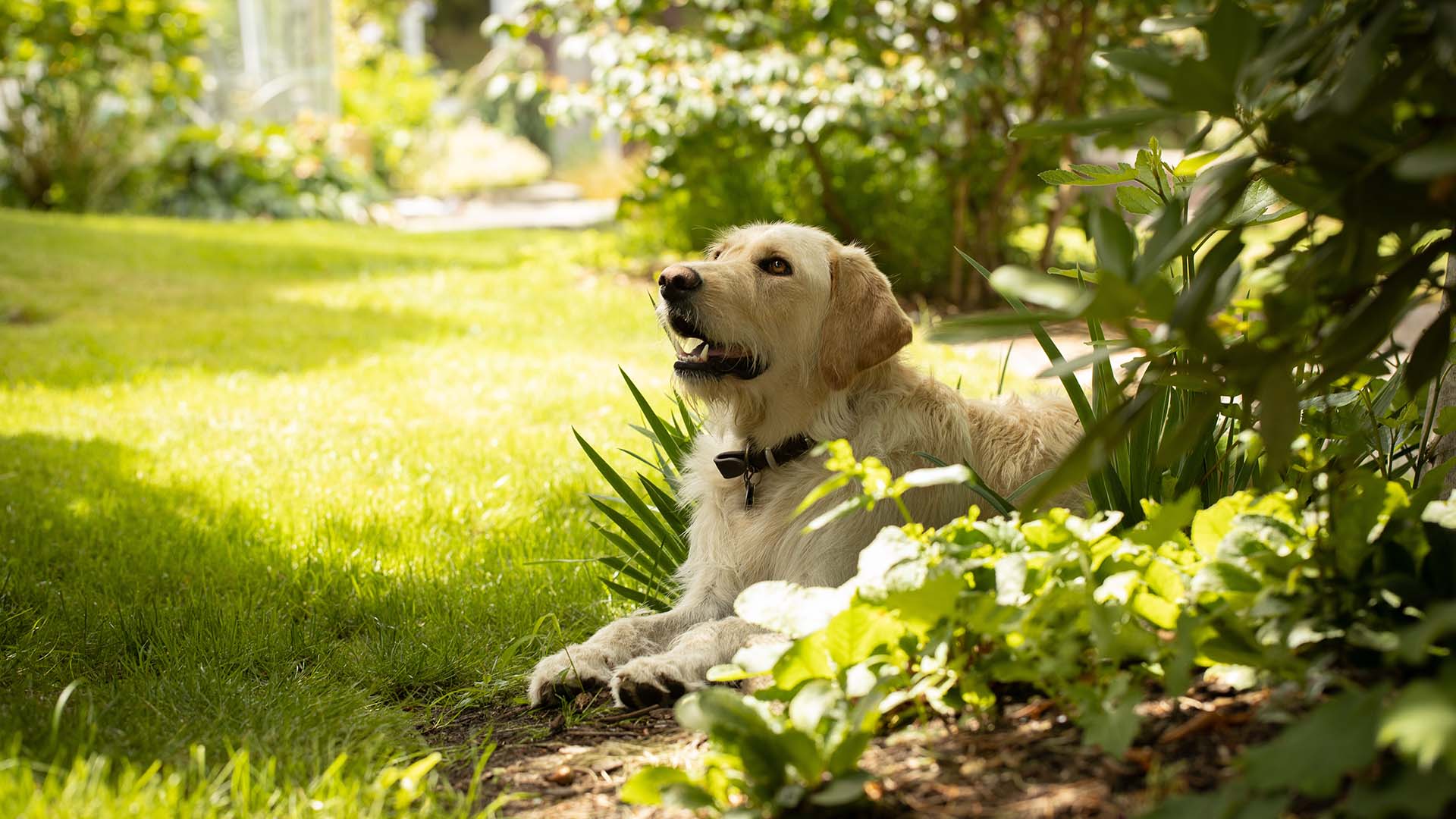
Warmer weather means more time in gardens, parks, and woodland areas. Unfortunately, it also increases exposure to toxic plants, slug pellets, fertilisers, and seasonal parasites. Knowing what to avoid can prevent emergencies and reduce the chance of serious illness.
If you’re worried your pet has eaten something harmful, contact a vet immediately.
Toxic Spring Plants for Dogs and Cats
Many popular garden plants are harmful to pets. Daffodil bulbs, tulips, lilies (especially dangerous for cats), and bluebells can cause vomiting, diarrhoea, and more serious complications. Pets may dig up bulbs or chew flowers out of curiosity.
Slug Pellets and Rat Poison
Slug pellets and rodenticides are among the most dangerous household toxins for pets. Even small amounts can cause severe poisoning. Always store these products securely and avoid using them in areas accessible to pets.
Fertilisers, Weedkillers and Lawn Treatments
Most pets require routine flea prevention monthly and worming treatment every 1–3 months, depending on their lifestyle and risk. Pets that hunt, scavenge, or spend time around other animals may need more frequent protection.
Antifreeze and Car Fluids
Although antifreeze poisoning is often linked to winter, it can still be a risk in spring due to vehicle leaks and garage storage. Antifreeze is extremely toxic, and even a small amount can be fatal.
Bee and Wasp Stings
As insects become more active, stings become more common. Most pets recover well, but some may experience allergic reactions or swelling around the face and throat. Any breathing difficulty is an emergency.
Springtime Parasites
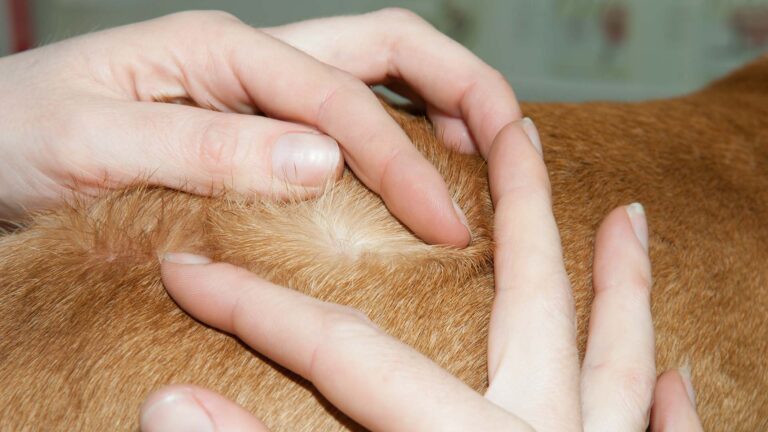
Spring marks the start of peak flea and tick season. Dogs and cats are more likely to pick up parasites when spending more time outdoors. Regular parasite treatment helps prevent discomfort and disease. Link to your Fleas/Worms advice post (once created) and your Veterinary Services page:
When to Seek Veterinary Help
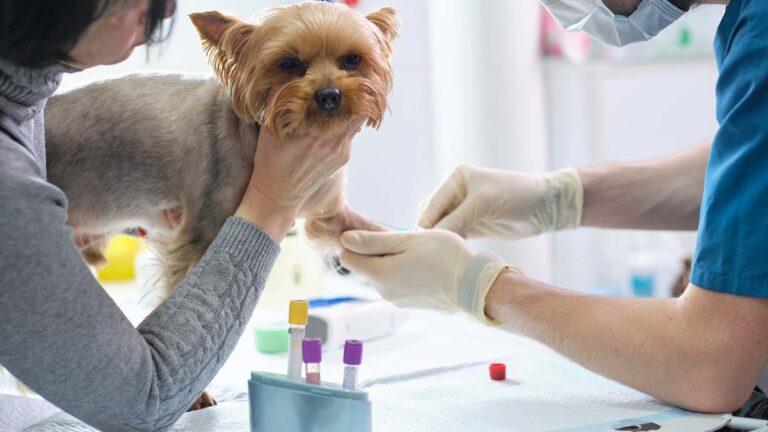
If your pet suddenly becomes unwell, vomits repeatedly, seems unsteady, or you suspect poisoning, contact a vet straight away. Acting quickly can be life-saving.
Spring Hazards for Pets FAQs
Common questions about seasonal dangers, toxic plants, and household hazards that can affect pets in spring.